+86-13959788969



+86-13959788969


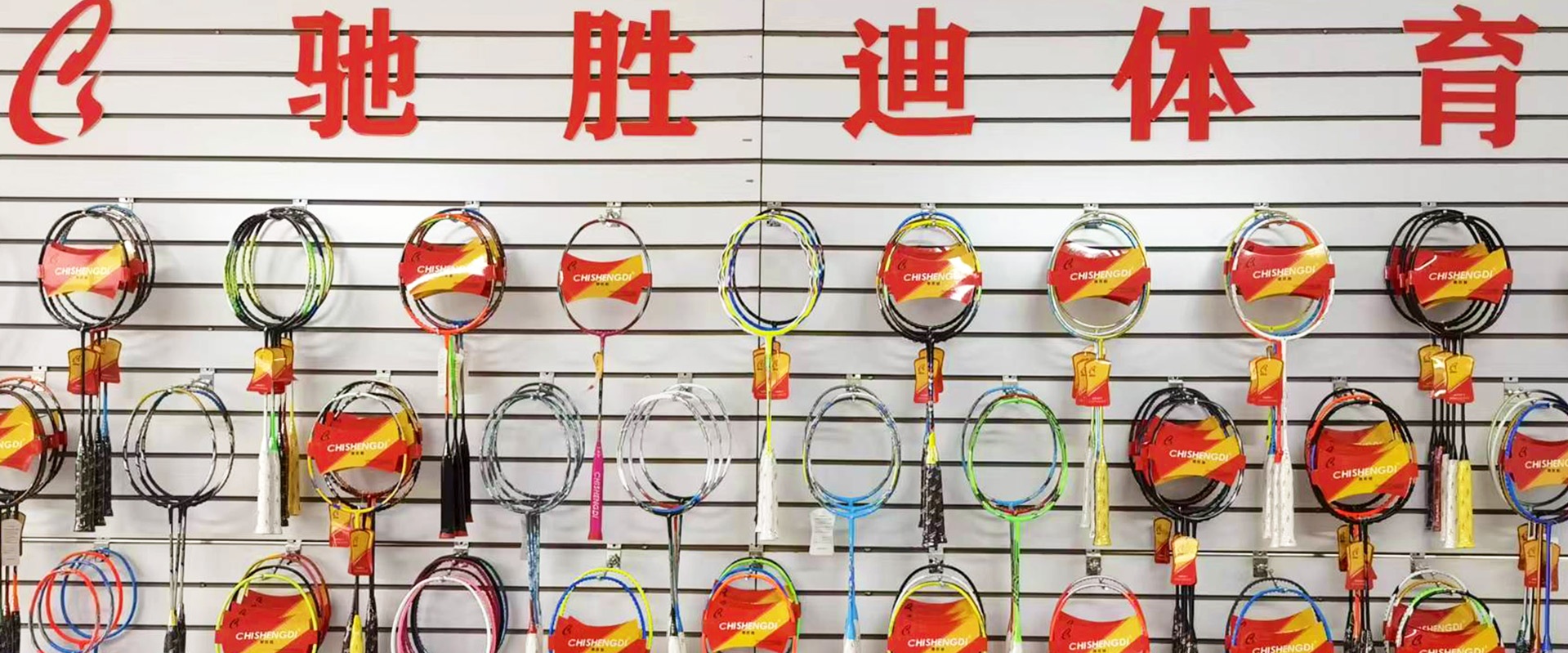
I. Core Definition and Functional Orientation
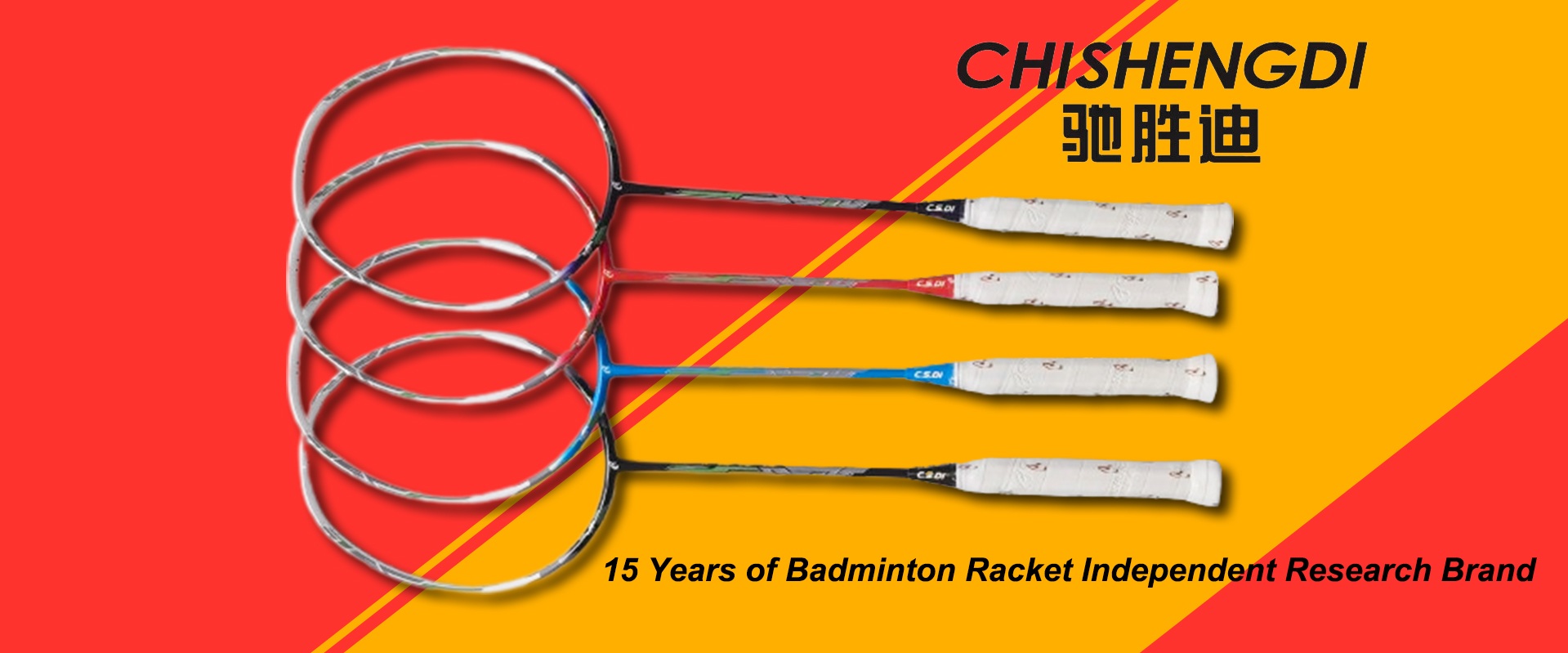
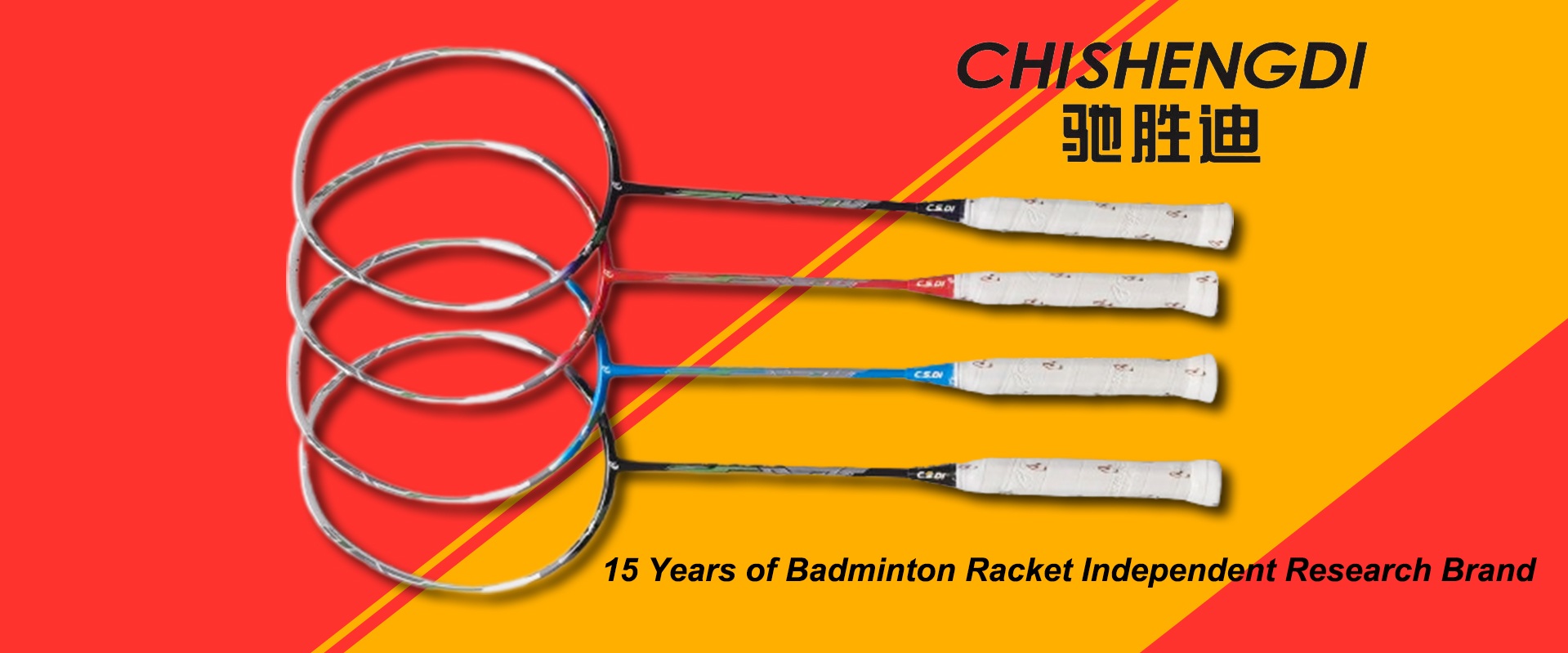
A badminton racket is a specialized sports equipment for badminton, mainly used to hit shuttlecocks for competition or fitness. Its design focuses on hitting stability, operational convenience and safety, serving as an essential gear for the sport. Production and quality must comply with national standards such as GB/T 3903.46-2021 Sports Goods - Badminton Rackets, ensuring material safety, structural firmness and usability.
Key functions: 1. Transmit hitting force by converting hand power into shuttlecock kinetic energy via shaft elasticity and frame structure; 2. Ensure operational precision through reasonable weight distribution and balance point design to meet different hitting needs; 3. Reduce sports injury risks with ergonomic grip design and suitable material hardness, minimizing wrist and arm strain.
II. Core Structure and Material Characteristics
Racket frame: Core hitting component with common shapes (circular, square-headed, diamond-shaped). Main materials include carbon fiber (widely used for high strength, light weight and moderate elasticity), aluminum alloy and titanium alloy. Frame edges must be smoothed to avoid injury; thickness and rigidity must meet national impact resistance standards.
Shaft: Connects frame and grip, using the same or composite materials as the frame. Requires appropriate elasticity and bending resistance, with length (approx. 675mm) and diameter complying with industry standards. Elasticity coefficient adapts to different athletic levels.
Grip: Located at the end, wrapped with sweat-absorbent tape (cotton/PU) outside and hard core inside. Diameter: 23-28mm, ergonomically designed for comfortable and non-slip holding. Length suits palm size for easy force control.
String bed: Woven with badminton strings (nylon, gut, composite fiber), directly contacting shuttlecocks. Tension: 18-30 lbs (adjustable by needs). Different materials vary in elasticity and wear resistance, meeting corresponding strength standards.
III. Common Classifications and Application Scenarios
By material:
Aluminum alloy: Moderate cost, durable, relatively heavy (2U-3U, 1U=10g) – suitable for beginners or casual users.
Carbon fiber: Lightweight (4U-5U), good elasticity and maneuverability (full carbon/composite) – suitable for advanced users or competitors.
Titanium alloy: Carbon fiber with titanium added for better elasticity and fatigue resistance – suitable for users with specific needs.
By weight:
2U (90-94g): Heavy, full force transmission – for strong users.
3U (85-89g): Moderate, balanced force and control – widely used.
4U (80-84g): Light, flexible – for fast hitting and continuous swings.
5U & below (≤79g): Ultra-light – for women, teenagers or casual use.
By balance point:
Head-heavy: Balance near frame, high inertia – for backcourt shots (clear, smash).
Head-light: Balance near grip, fast swing – for net shots.
Balanced: Central balance, versatile – for all-round style or beginners.
IV. National Standards and Quality Requirements
Structural safety: Firm frame-shaft connection (no breakage/adhesion failure after impact test); smooth frame edges, stable grip – complying with GB/T 3903.46-2021.
Size & weight: Total length 664-675mm (tolerance ±3mm); weight deviation within grade limits (e.g., ±2g for 3U).
Material safety: Heavy metal content (lead, cadmium) meets GB 30585-2014; no toxic additives, odorless plastics/rubbers.
Performance: Shaft bending strength, frame impact resistance pass national tests; string tension retention meets industry standards.
V. Standard Selection and Maintenance
Selection: Choose based on skill level (beginners: aluminum alloy or entry carbon fiber; advanced users: head-heavy/light/balanced per playing style). Adjust string tension to avoid difficulty or injury.
Usage: Avoid hitting hard surfaces; check string tightness and sweat tape before use; keep away from high temperature/humidity.
Maintenance: Regularly inspect string tension (restring when broken/loss of elasticity); replace sweat tape periodically; reduce tension for long-term storage, store in a dedicated bag.
Safety: Wear sports gear (wristband, gloves); children use age-appropriate weight under adult supervision.
VI. Industry Development and Product Evolution
Material upgrade: Improved carbon fiber weaving; new composites (carbon fiber + graphene) optimize performance.
Personalization: Customized size/weight for different groups; ergonomic grip and sweat tape.
Environmental protection: Recyclable materials adopted to reduce environmental impact.
Standard improvement: Revised national standards clarify quality indicators and test methods, promoting standardized production and consumer safety. Industry demands for adaptability, durability and sports compatibility drive continuous product optimization.
contact us
+86-13959788969

Technology support:XIAMEN 12t NETWORK TECHNOLOGY CO., LTD. QUANZHOU BRANCH Information support:Southeast business opportunity network
闽ICP备2023006493号-1